Financial literacy empowers young people to make informed decisions about saving, spending and earning. Practical knowledge can improve household resilience and support entrepreneurial efforts.
1. Understand Income and Expenses
Start by listing all sources of income and regular expenses. This helps identify areas to save or reallocate funds.
2. Create a Simple Budget
Allocate portions of income to essentials, savings and small discretionary spending. Even a small monthly saving habit builds security over time.
3. Save for Emergencies
A basic emergency fund (even a small amount saved regularly) can prevent debt in crises. Keep it accessible but separate from daily cash.
4. Basics of Safe Borrowing
Borrow only for productive reasons (tools, training). Understand interest terms and prefer transparent, reliable lenders or group-based saving/loan schemes.
5. Explore Small Income Opportunities
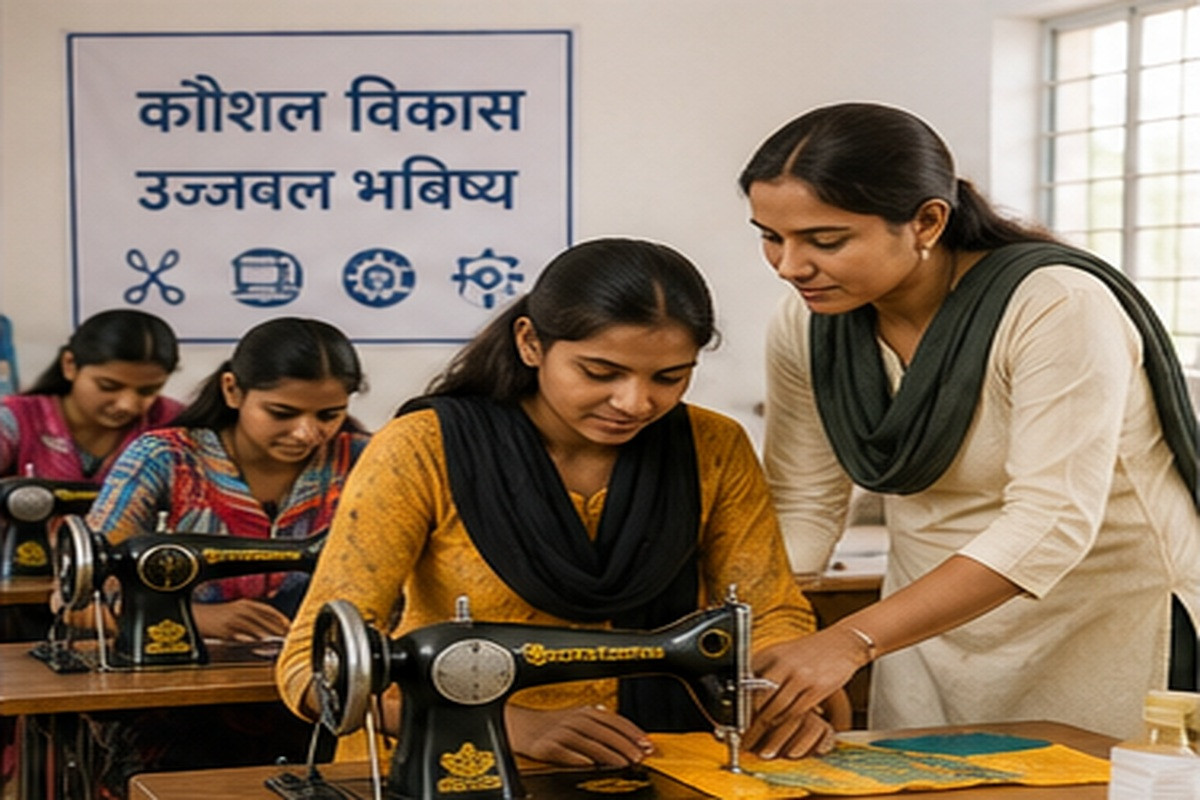
Skills like tailoring, poultry rearing, vegetable cultivation or repair services can be started with modest investment. Pair skill training with basic business planning.
6. Record-Keeping and Goal Setting
Maintain simple records of transactions and set short-term financial goals (buying a tool, funding training). Review progress monthly.
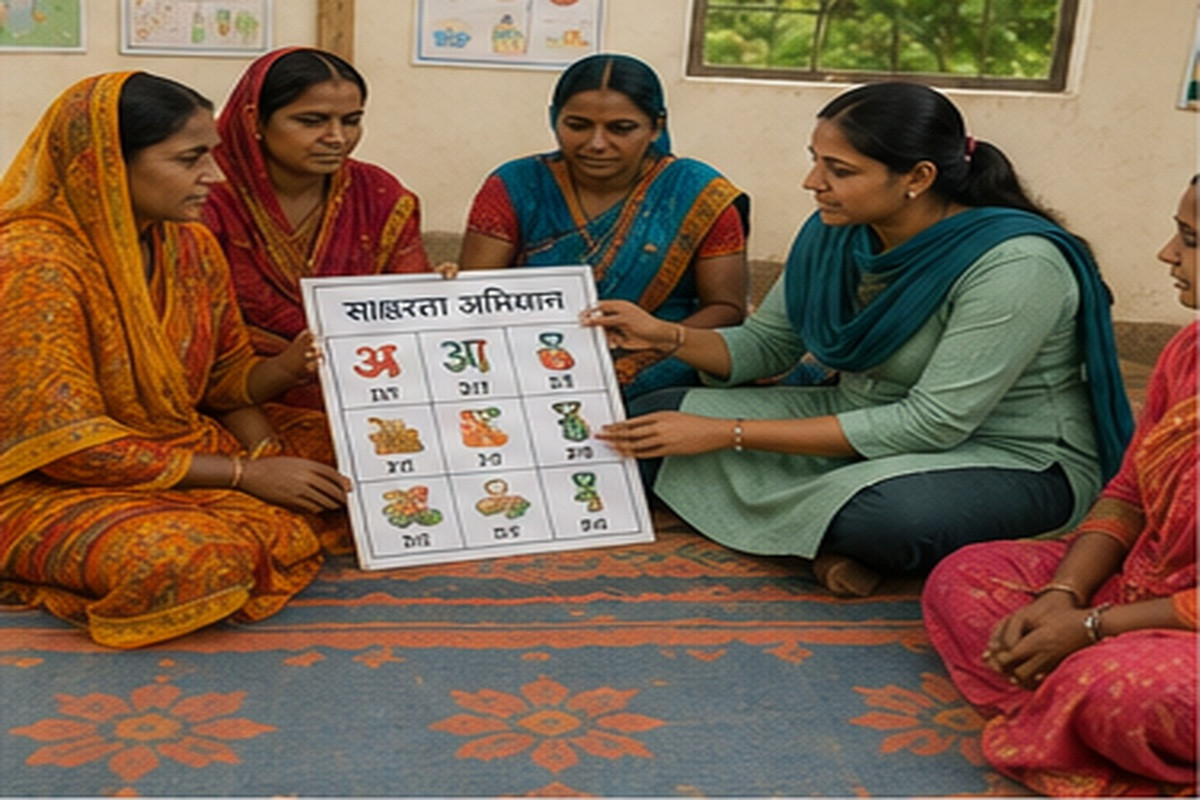
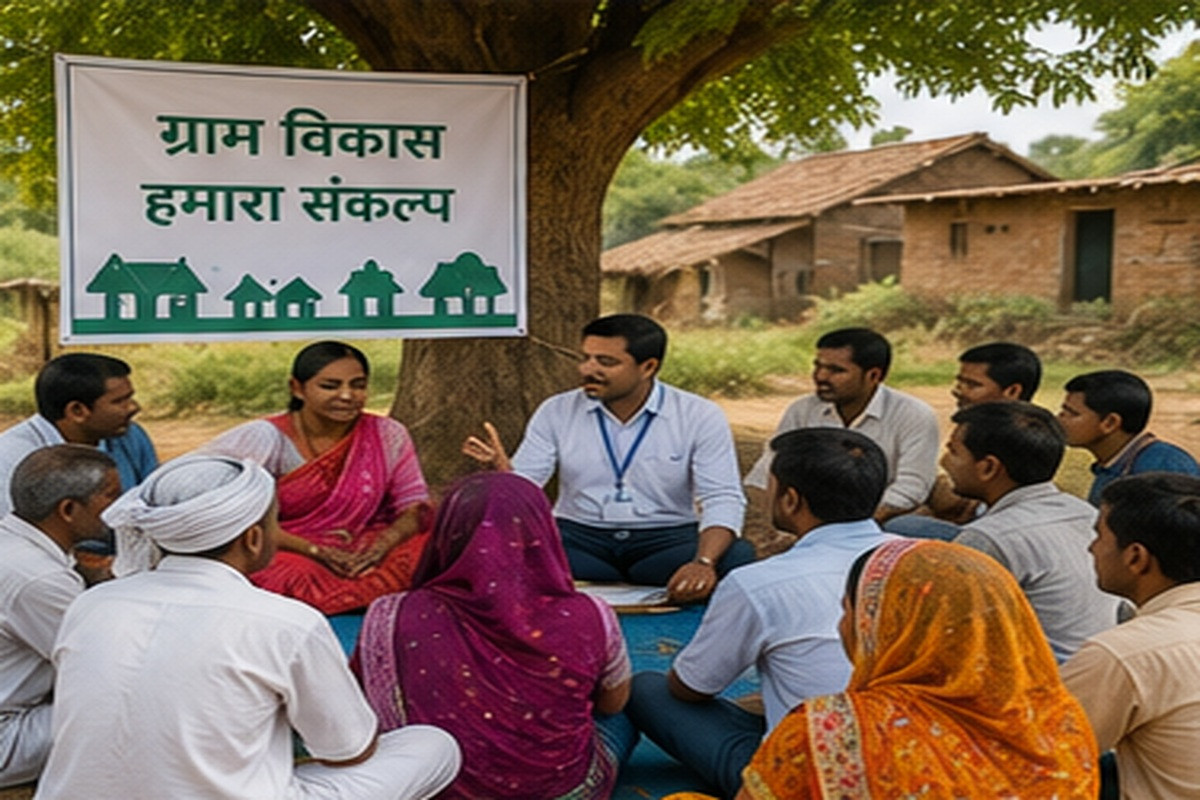
Local mentoring, group savings and practical training programs can accelerate financial confidence. Start small, stay consistent and seek support from trusted local resources.