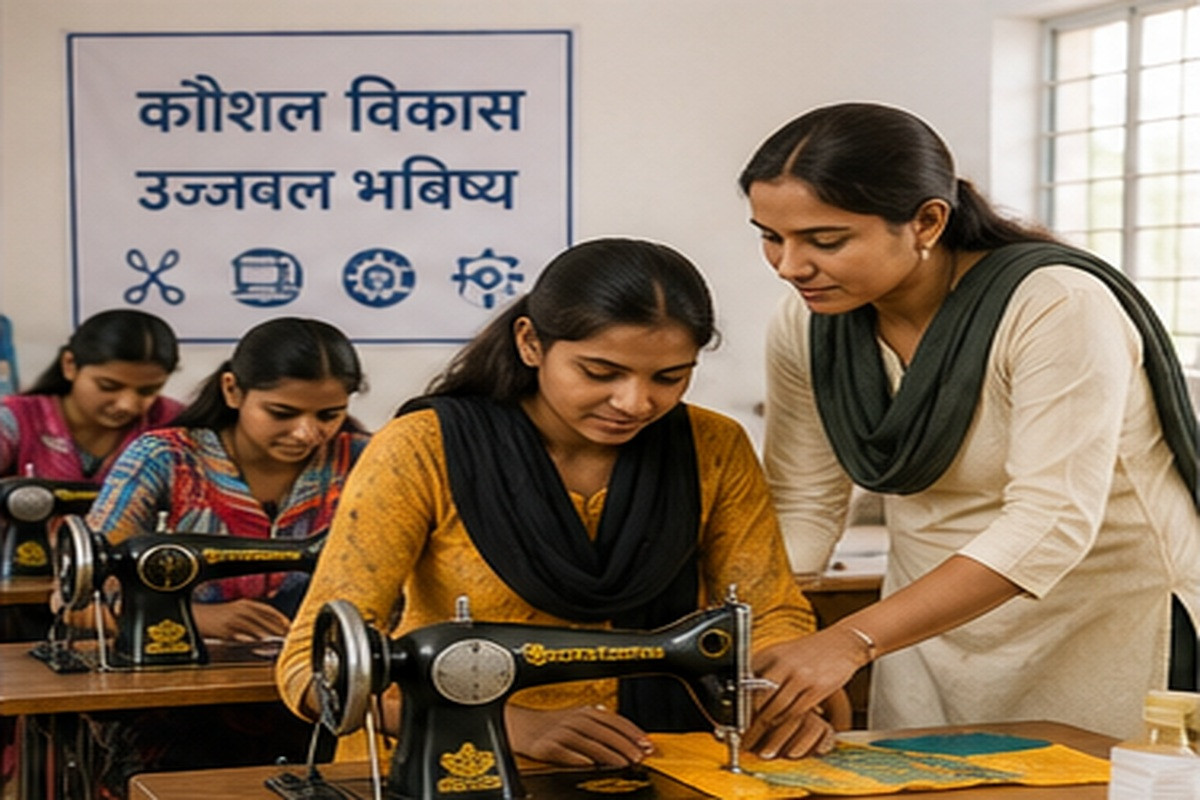
A short tailoring course can create livelihood opportunities. This guide outlines a low-cost curriculum, materials list and teaching approach suited for community settings.
Course Structure (4 Weeks)
Week 1: Introduction to tools, hand-stitching techniques, basic seams and measurements.
Week 2: Operating a sewing machine, simple stitches, hemming and finishing.
Week 3: Basic patterns for common items (apron, simple kurta, bags), cutting and assembly.
Week 4: Small production runs, quality checks, pricing and local marketing.
Essential Materials
Portable sewing machines (or shared machines), needles, threads, measuring tapes, fabric scraps for practice, basic patterns, scissors, chalk, and simple mannequins or forms.
Teaching Tips
Use hands-on practice with short demonstrations. Group learners by skill level and encourage peer learning. Provide take-home practice assignments and simple reference sheets.
Post-Training Support
Facilitate market linkages such as local fairs, bulk-order leads, or cooperative selling. Encourage group savings to help trainees purchase tools or materials.
With modest investment and community support, a tailoring course can equip participants with marketable skills and a pathway to small-scale income.